From florists, for florists.

Where to buy flowers for your shop: webshop, wholesaler or import
Wholesale webshop, cash-and-carry or direct import from the Netherlands? How to choose a supplier, and why cost per stem sold beats the invoice price.
It’s not just “local or Dutch” any more. You have three options.
Plenty of florists still think of buying stock as a choice between the wholesaler down the road and importing direct from the Netherlands. That’s not how it works today. Most florists now order through a wholesale webshop — a middleman that delivers straight to the shop. Then there’s the cash-and-carry. And only after that, direct import. Let’s take them one at a time.

The wholesale webshop: your everyday option
This is where the market has moved. You order online, see what’s in stock with photos and prices, and the flowers arrive at your door, usually with no minimum order. The price per stem isn’t the lowest you’d see at auction, but it’s one that works for both of you: you get fresh flowers without the hassle, and the supplier covers their transport and margin.
Why does it work? Because they pool orders from dozens of flower shops and share the transport cost between them. You buy what you need this week, without committing to full boxes. In effect, you get close to the freshness and price of importing, without the risk.
The cash-and-carry: when you want to see the stock
The cash-and-carry still earns its place. You go in, see and handle the stems, pick exactly what you need and leave with the flowers in your arms. It’s ideal when you’ve run out of something midweek, when an urgent order comes in, or when you want to check the quality with your own eyes before you pay. The downside: the time and the drive.
Direct import from the Netherlands: only if you have the volume
Importing direct looks tempting when you compare the price per stem, but it comes with full boxes, a minimum order and a fixed transport cost you pay however much you buy. If you don’t sell in volume every week and empty those boxes, transport and waste push your real cost per stem above any other option. Put simply, it’s a game for big flower shops, not the neighbourhood florist.
When you buy matters too: how prices change through the year
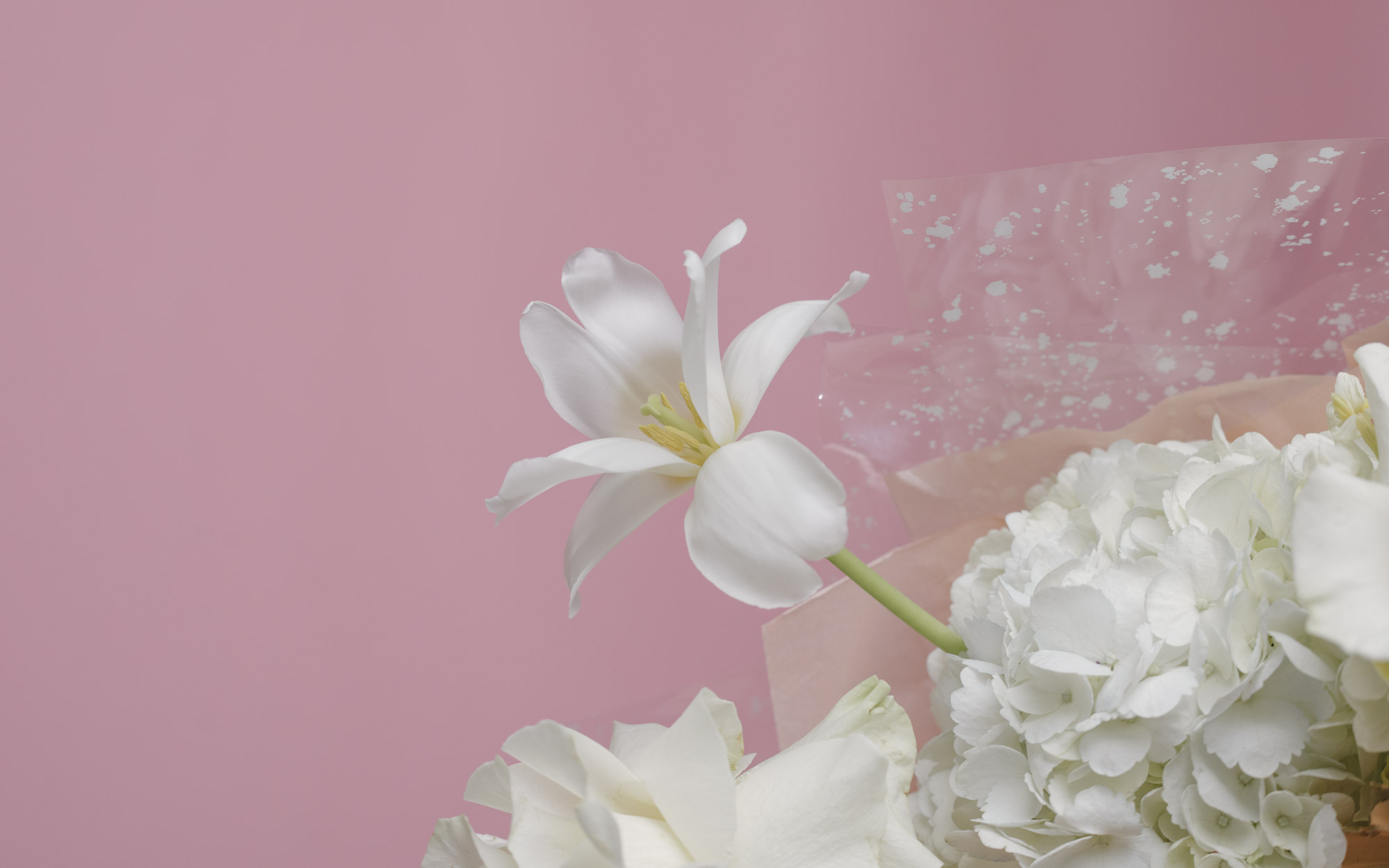
What you pay per stem depends on the season as much as on your supplier. Expect a single rose, whatever its colour, to cost far more around Valentine’s Day, and pastel flowers to climb during wedding season.
Valentine’s Day
The days before 14 February are among the busiest of the florist’s year: demand is very high and flowers, roses above all, cost more than usual. In Italy and across Central and Eastern Europe, International Women’s Day on 8 March brings a second peak a few weeks later.
Mother’s Day in Europe
Mother’s Day falls on different dates across Europe: in March in the UK and Ireland, in May in most other countries, so check yours. Auction prices rise ahead of it, and your supplier’s prices can jump overnight. If you have events booked around then, adjust your quote.
Summer and winter
Prices are generally lower in summer, so make the most of it. In the colder months, higher production costs push cut flower prices up.
Out of season
Spring flowers cost more for the rest of the year: tulips are very expensive in summer and autumn, and Dutch hydrangeas disappear from the market from mid-autumn. Tulips, freesias, lilac and ranunculus are both cheapest and best in spring; out of season they cost at least twice as much, and the quality is poor.
So how do you choose?
For most flower shops, the combination that works is a wholesale webshop for your regular stock, plus the cash-and-carry for top-ups and emergencies. Direct import only comes into it once you have the volume to support it. And always work out the cost per stem SOLD, transport and waste included — not the price on the invoice.


