From florists, for florists.

Flower subscriptions: recurring income for your quiet months
How to launch a flower subscription for homes and businesses: packages, delivery frequency, pricing and logistics, and the regular income that follows.
You do good work, but the quiet months still hurt
Your arrangements are beautiful and your deliveries are spot on. Yet at the end of the month, in January or August, the till goes quiet. You know the peaks: Valentine’s Day, Mother’s Day and Christmas. The rest of the year is up and down.
That’s where a flower subscription comes in: a customer who pays every month without you having to go looking for them. Income you can plan on paper in advance.
Subscriptions for individuals
The idea is simple: the customer receives a fresh bouquet on a fixed schedule. Weekly, fortnightly or monthly. You choose the seasonal flowers, and they always have something lovely at home.
Set up a few clear packages. For example, €40 a month for one seasonal bouquet a month, delivered to their door on a fixed day, say the first Tuesday of the month. That way you can plan your buying and your delivery route.
Who do you sell it to? Someone who wants flowers in the house all the time but forgets to buy them. Or someone who sends flowers to a parent, month after month.
Subscriptions for businesses, offices and restaurants
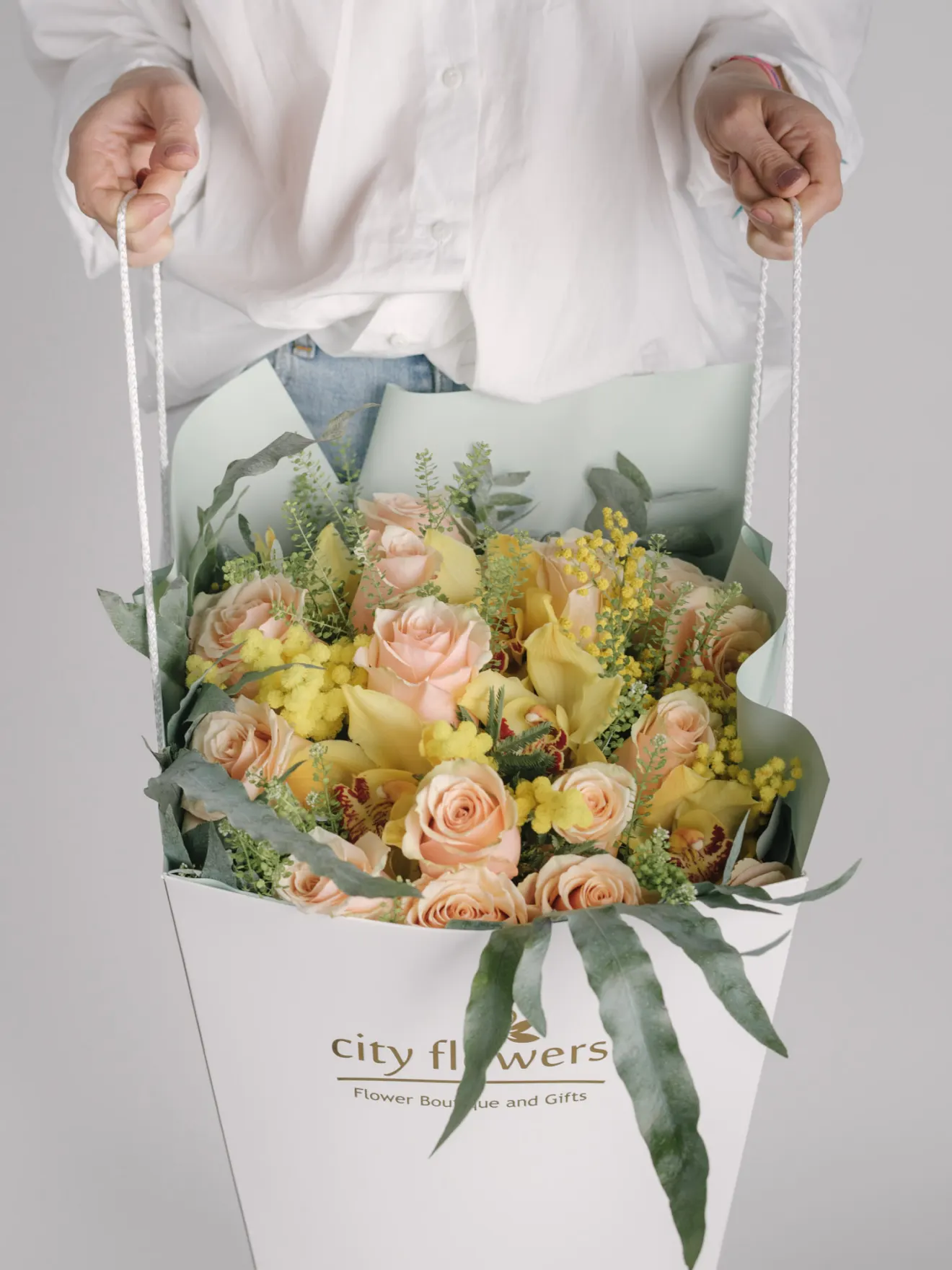
This is where the serious money is. A restaurant wants fresh flowers on its tables every week. A hotel or clinic reception wants a large arrangement by the entrance, always looking immaculate.
For these clients, deliveries are usually weekly. You’re selling a contract, not a bouquet. For example, a local restaurant that takes small arrangements for ten tables once a week gives you a fixed sum you can count on, four weeks in a row.
Businesses pay on invoice, within agreed terms, and stay loyal as long as the service is consistent. Logistics are everything here: same day, same time, no excuses.
Why it makes such a difference
Recurring income covers your rent and wages even in the dead months. You know what’s coming in before you unlock the door. And you buy more wisely, because you already have an estimate of demand.
Start small. Three or four subscription customers and you’ll already feel the difference. A simple sign-up form on your shop’s website does the rest, so you’re not managing it all over WhatsApp.


